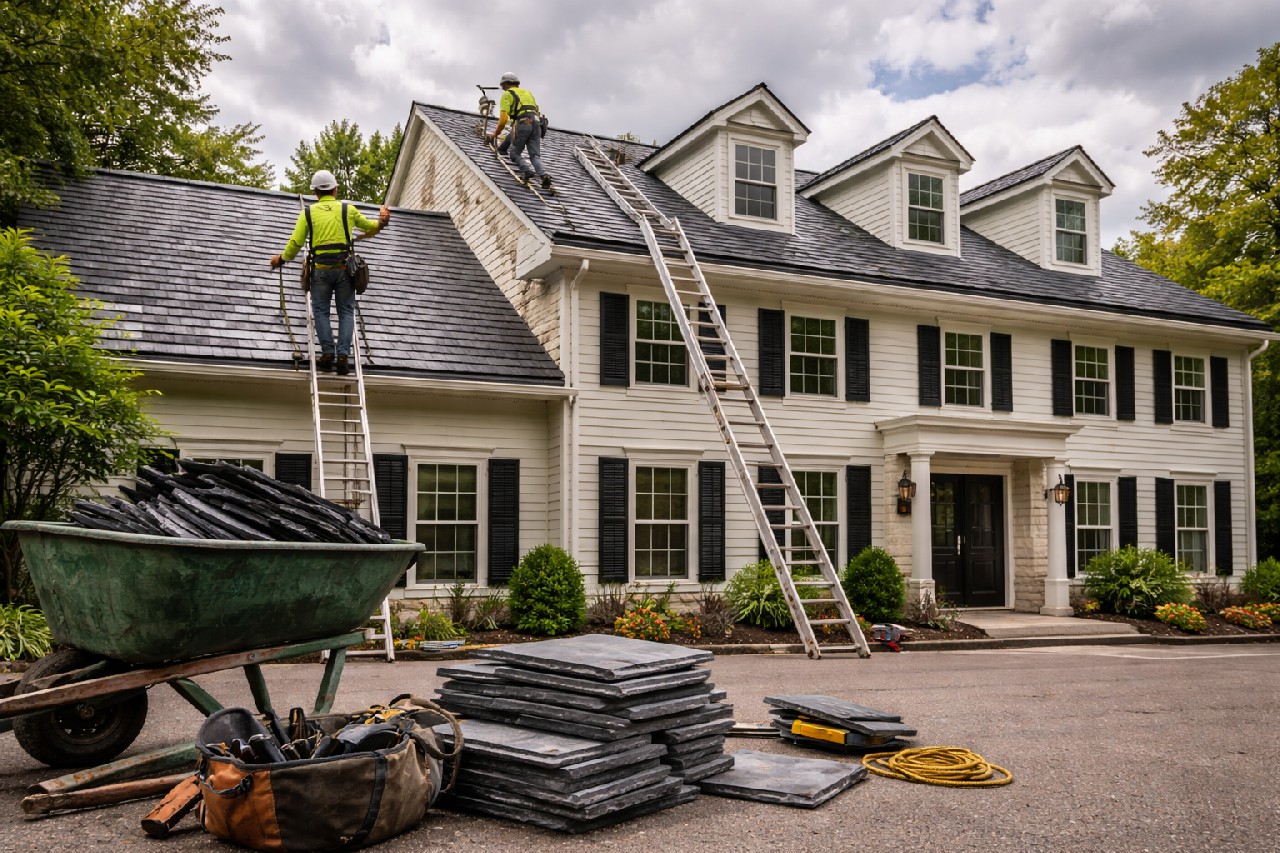


⚡ TL;DR: This guide reveals seven deadly mistakes to avoid in Washington, DC roof replacement, like hiring unlicensed contractors, and offers a checklist for lasting results.
📋 What You’ll Learn
In this guide to DC roof replacement, you’ll uncover 7 deadly mistakes that doom projects, from contractor pitfalls to code violations, ensuring your roof lasts through humid summers and snowy winters.
- Spot unlicensed contractors early to dodge shoddy work, legal fines, and roofs that fail prematurely in DC’s demanding weather and strict regulations.
- Master permits and historic rules avoiding delays, rejected jobs, and costly rework in Georgetown or Capitol Hill rowhouses under tight city oversight.
- Choose climate-right shingles wisely preventing mold, curling, and leaks from DC’s humidity, freeze-thaw cycles, and heavy storms that wreck wrong materials fast.
- Prioritize deck inspections and details like flashing, ventilation, and underlayment to stop hidden rot, water intrusion, and early failures before they escalate.
- Apply real-world checklists from case studies to sidestep rush jobs, warranty traps, and get a durable roof backed by proven local strategies.
📖 Reading time: 7 min
✍️ Author expertise: DC-licensed roofer with 18 years of hands-on roof replacements on local historic homes.
Ever watched a neighbor's shiny new roof turn into a waterfall during DC's brutal summer storms? That's the nightmare hitting homeowners who skip the right prep, leaving them with soggy ceilings and skyrocketing repair bills.
Here in Washington, DC, where humidity chews through shingles and old rowhouses hide nasty surprises, one wrong move during roof replacement can cost you big.
Discover the seven deadly mistakes that sink most projects, and how to sidestep them for a roof that lasts decades.
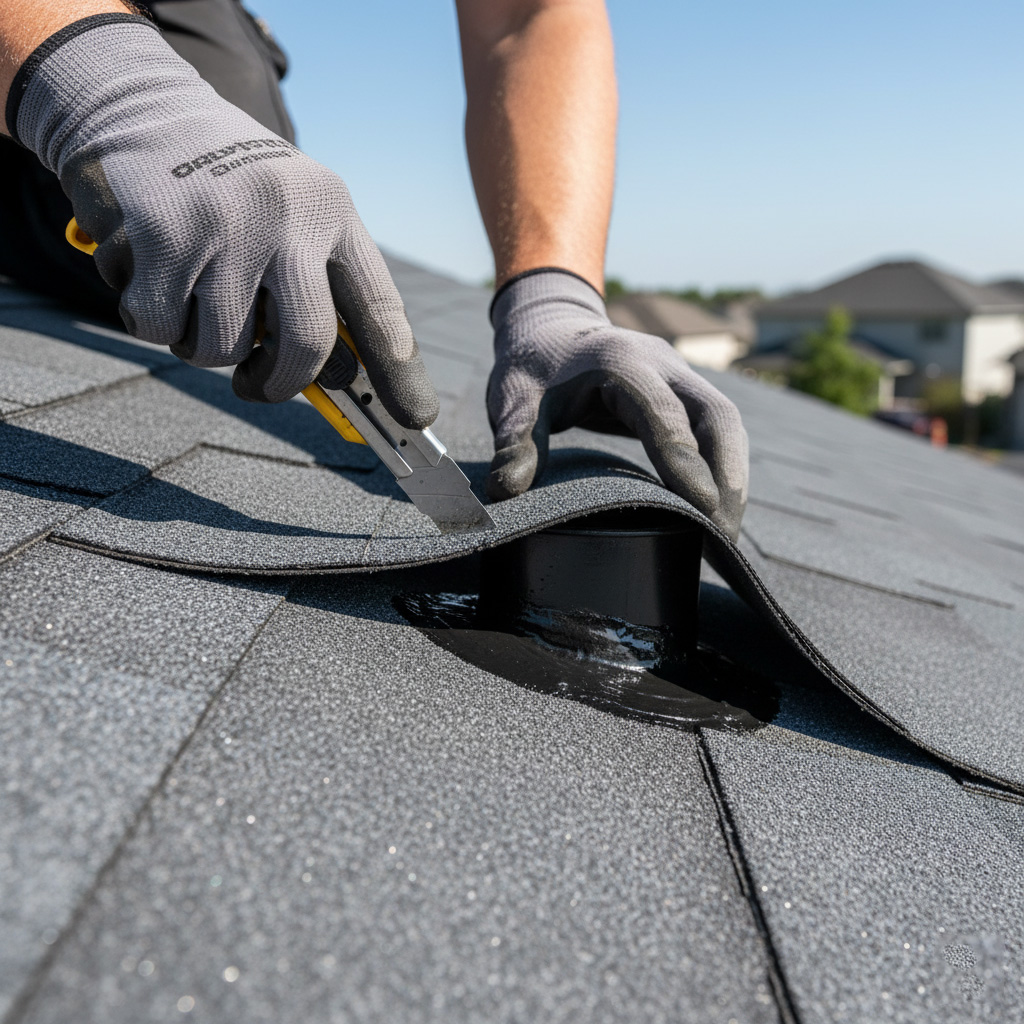
Deadly Mistake #1: Hiring Unlicensed or Inexperienced Contractors in DC
Picture this: You hand over your hard-earned cash to a crew promising a quick DC roof replacement. Weeks later, leaks pour through because they botched the job, and guess who vanishes? The unlicensed fly-by-night operator with no insurance to cover your damages.
In DC, shady contractors dodge the Department of Licensing and Consumer Protection (DLCP) rules. They skip bonds and worker's comp, leaving you on the hook for accidents or shoddy installs that fail fast in our humid weather.
Spot the Red Flags and Vet Like a Pro
- Demand DLCP license number. Verify it online at dcra.dc.gov - takes 2 minutes.
- Check references from recent DC jobs, not vague "years of experience" claims.
- Insist on proof of liability insurance and bonding. No proof? Walk away.
- Ask for warranties backed by the manufacturer, not just their word.
Real pros flaunt credentials. Skip this step, and your roof turns into a money pit before the first storm hits.
Deadly Mistake #2: Ignoring Permits, Codes, and Historic District Rules
Picture this: You slap on a new roof, pat yourself on the back, then get hit with a nasty notice from the city. In DC, every roof replacement needs permits from the Department of Buildings. Skip them, and you're staring down fines up to $2,000 per violation.
It's worse in historic spots like Georgetown or Capitol Hill. These areas demand special approvals to protect the city's charm. One client ignored the rules, got ordered to rip everything off, and lost $40K in the process.
Quick Rules to Nail in DC
- Get a permit before touching the roof. Apply online via DOB NOW.
- Match historic guidelines if you're in a district. Use approved materials only.
- Pass inspections at key stages. No shortcuts.
Hire a contractor who handles this mess for you. They'll pull permits, meet codes, and keep inspectors happy. Your roof stays legal, your wallet stays full.
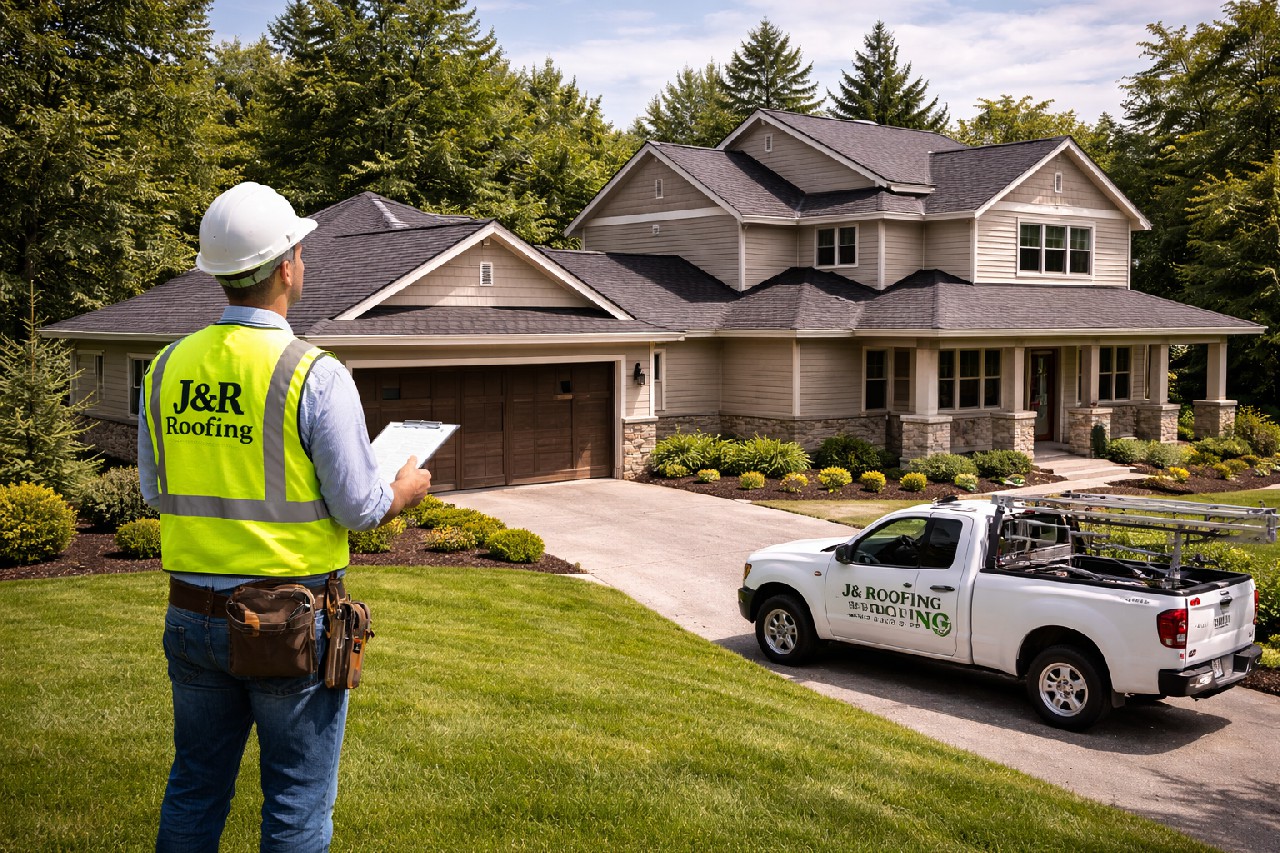
Deadly Mistake #3: Selecting the Wrong Shingles for DC's Humid Climate
DC's steamy summers and relentless downpours wreck havoc on roofs. Pick basic three-tab asphalt shingles, and they'll curl, crack, and sprout algae faster than you can say "moldy attic." Homeowners chase the cheapest option, only to replace again in five years.
Humidity turns weak shingles into mush. Thin materials trap moisture, leading to rot and leaks that hit your wallet hard. We've ripped off plenty of these disasters in Capitol Hill rowhouses.
Shingles Built for DC's Brutal Weather
- Architectural shingles: Thicker layers resist algae and impact from hail storms.
- Algae-resistant models: Coated granules fight black streaks common in our muggy air.
- Impact-rated options: Class 4 ratings shrug off falling branches during those wild nor'easters.
Skip the bargain bin. Invest in shingles rated for high humidity. Your roof will thank you with 30+ years of solid performance.
Deadly Mistake #4: Skipping a Thorough Roof Deck Inspection
Picture this: you slap a fresh layer of shingles on top of a rotting roof deck. Come the next downpour, water sneaks through cracks and turns your attic into a swimming pool. In DC's aging rowhouses, that deck—your plywood or plank base—often hides years of hidden damage from leaks and humidity.
Skip the inspection, and you're rolling the dice on collapse or mold invasion. Pros tear off old layers to check for soft spots, warped boards, or pest damage. One overlooked section can doom the whole job, forcing a total tear-off later at double the cost.
Red Flags to Spot (And Demand Your Contractor Checks)
- Sagging ceilings below the roof—water's already won.
- Discolored or soft plywood when probed.
- Water stains or rot at edges near chimneys and vents.
Insist on photos and a written report before shingle work starts. Our crew in DC catches these killers every week, saving clients from nightmare callbacks.
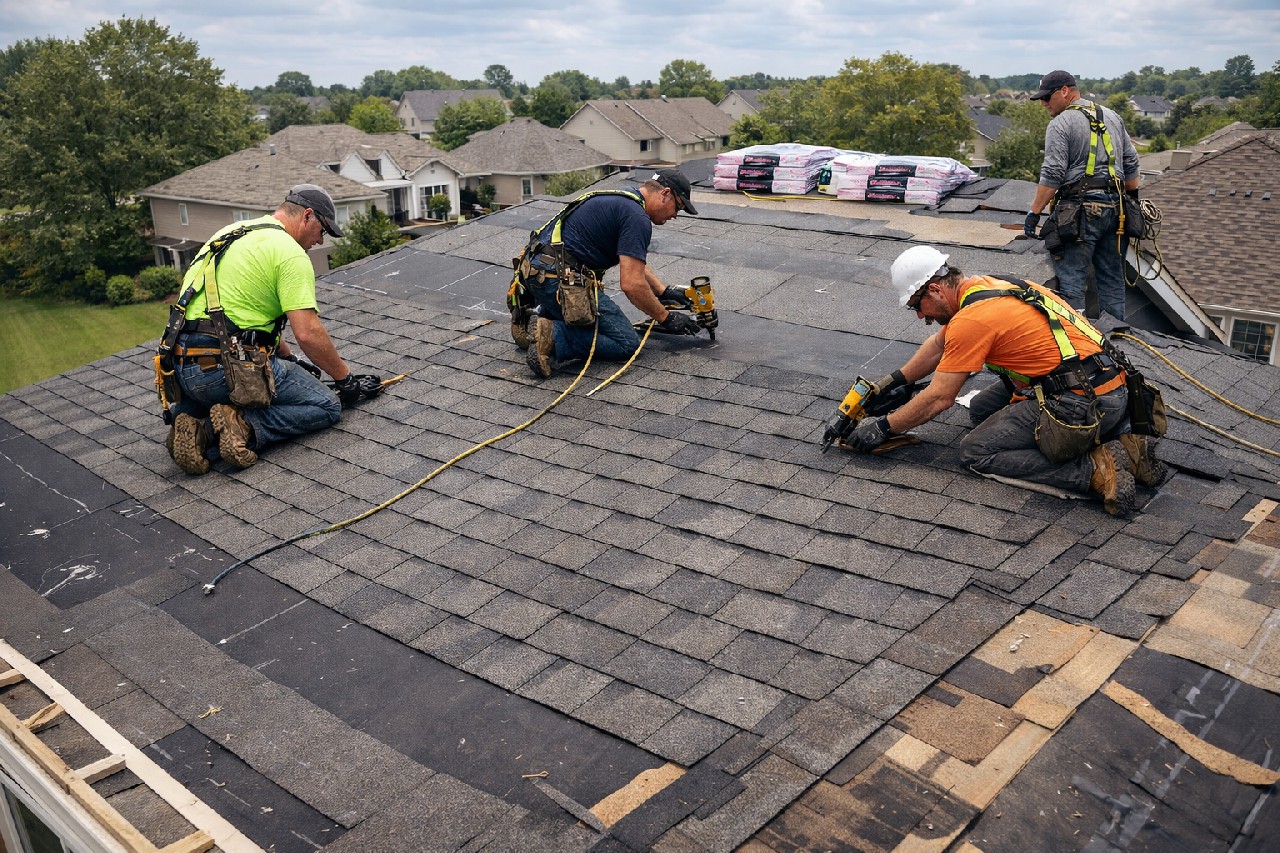
Neglecting Flashing, Ventilation, and Underlayment
Picture this: water sneaks past your new shingles straight into the roof deck. That's what happens when contractors skimp on flashing – those metal strips sealing edges around chimneys, skylights, and valleys.
In DC's relentless humidity, poor flashing rusts fast and lets leaks spread. Demand galvanized or copper flashing installed tight, with step flashing on sloped areas. One slip here, and you're patching ceilings every rain.
Ventilation: DC's Silent Roof Killer
Trapped heat and moisture warp your roof from the inside out. Skip proper ridge and soffit vents, and mold feasts on your plywood deck.
- Aim for 1:150 vent-to-floor ratio – that's the gold standard.
- Check intake at eaves, exhaust at the peak. No shortcuts.
We've seen roofs fail in five years from this alone. Insist on a ventilation plan upfront.
Underlayment acts as your last defense, a waterproof shield under shingles. Cheap felt tears in DC winds; go for synthetic instead – tougher, self-healing.
Layer it right, from eaves up with overlaps. Test it: pour water on a sample before they start. This trio done wrong? Your "new" roof leaks like the old one.
Case Study: Our Fix for a Leaky Georgetown Rowhouse (Avoiding Rush Jobs and Warranty Traps)
A Georgetown homeowner called us in panic last summer. Her rowhouse roof, just two years old, leaked like a sieve during a thunderstorm. The previous crew had rushed the job with cheap materials and vanished when problems hit.
The Mess We Uncovered
- Cracked shingles from poor installation, no underlayment in key spots.
- Missing flashing around the chimney, letting water pour into the attic.
- Fake warranty paperwork that led nowhere. No real coverage.
She'd paid top dollar for a "lifetime guarantee" that turned out to be smoke.
We stripped it all and rebuilt right. Custom ventilation for DC humidity. Heavy-duty architectural shingles with legit 50-year coverage from the manufacturer. Full permits to dodge historic district fines.
Results That Stuck
- No leaks through two rainy seasons now.
- Energy bills dropped 15% from better airflow.
- Real warranty we handle, no traps or excuses.
Rush jobs kill roofs. Demand proof of licenses, detailed contracts, and transferable warranties upfront.
Final Words: Your Checklist for a Lasting DC Roof Replacement.
Print this out. Tape it to your fridge. Run through every item before you sign any contract.
We've seen too many DC roofs fail from simple oversights. Nail these steps, and your new roof crushes the humidity and storms for 30+ years.
Quick-Hit Checklist
- Vet contractors hard: DC license. Years in the city. Check roof replacement references from rowhouse owners.
- Permits first: Confirm compliance with DCRA and historic rules. No shortcuts.
- Shingles match DC weather: Impact-resistant asphalt or metal. Ditch cheap 3-tabs.
- Inspect the deck: Full tear-off. Fix rot before new layers go down.
- Seal the details: Step flashing. Ridge vents. Ice-and-water shield everywhere.
- Warranty proof: Transferable. No fine print traps. Get it in writing.
- Timeline realistic: No rush jobs. Weather holds? Fine. Delays beat disasters.
Follow this, and you're golden. Your roof stands strong while neighbors scramble.
People Also Ask
What permits are required for roof replacement in Washington DC?
In DC, most roof replacements require a building permit from the Department of Buildings, especially if structural changes are involved or in historic districts. Failing to obtain permits can lead to fines, stop-work orders, and issues with insurance or resale. Always check with DCRA and hire a contractor familiar with local codes to handle the process seamlessly.
How do I choose a licensed roofing contractor in DC?
Verify the contractor's DC license through the Department of Licensing and Consumer Protection (DLCP) and check for proper insurance, including workers' comp and liability. Look for reviews, references, and experience with DC's unique regulations like historic preservation rules. Avoid unlicensed pros to prevent shoddy work, voided warranties, and legal headaches.
What shingles are best for DC's humid climate?
Architectural asphalt shingles with high impact resistance and algae-resistant coatings perform best in DC's humid, stormy weather. Avoid basic 3-tab shingles, which degrade faster; opt for premium options like those with 50-year warranties. Proper installation by local experts ensures longevity against moisture and temperature swings.
How can I ensure a thorough roof deck inspection before replacement in DC?
A full roof deck inspection checks for rot, soft spots, and structural damage hidden under old shingles, crucial in DC's older homes. Hire pros with infrared cameras or probing tools to avoid future collapses or leaks. Skipping this leads to costly callbacks and weakens your new roof's foundation.
What causes most roof leaks after replacement in Washington DC?
Common culprits include poor flashing around chimneys, vents, and valleys, plus inadequate underlayment and ventilation leading to ice dams or moisture buildup. In DC's variable climate, these oversights cause premature failure. Insist on quality materials and detailed installation to safeguard your investment.

Washington Roofing delivers roofing services across Washington, DC. With years of hands-on experience, the team manages installations, repairs, and maintenance for residential and commercial properties. Rooted in the local community, they address DC's specific climate and code requirements.
Need Roofing?
Fast roof repairs and replacements in Washington, DC and nearby areas deliver weather-tight protection and long-term durability in days. (20001, 20002, 20009, 20010, 20011)
Get Roof Quote