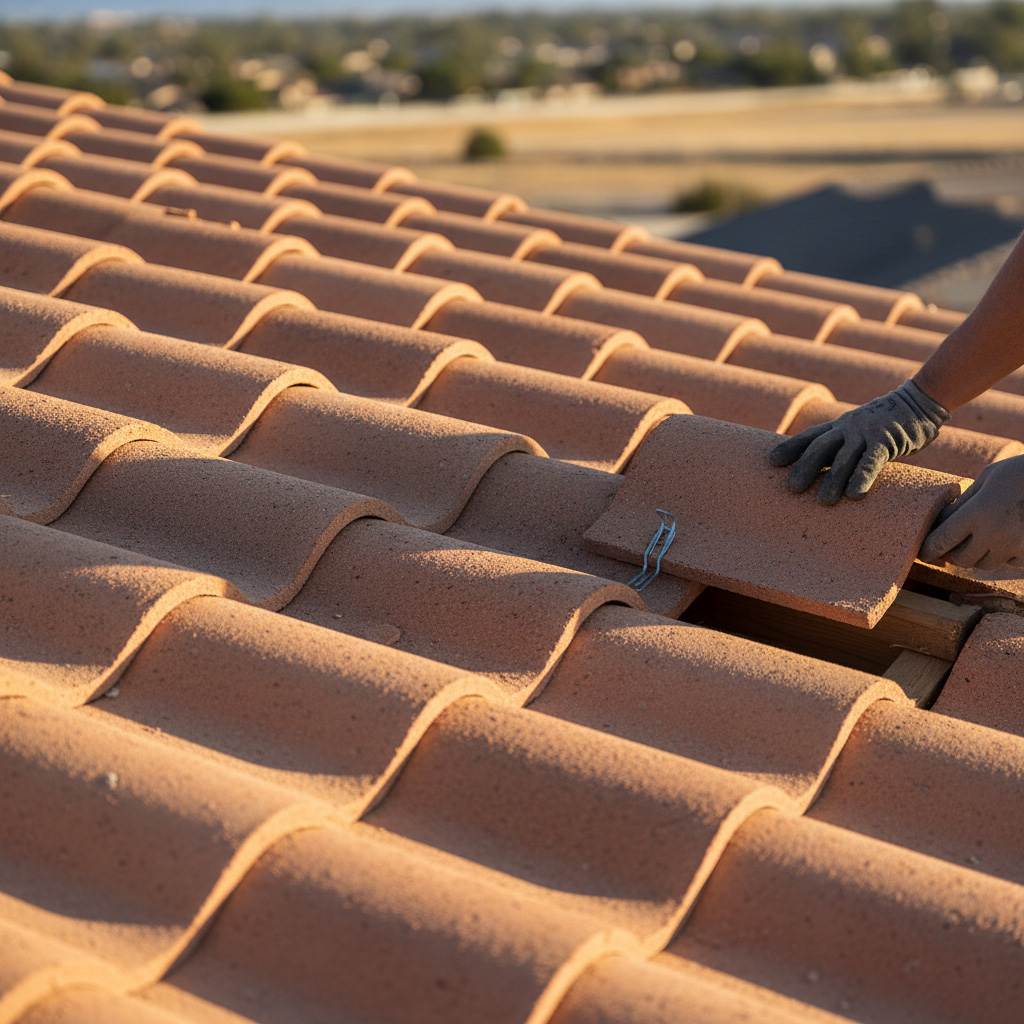


⚡ TL;DR: Discover five roof maintenance hacks DC homeowners use, from post-cherry blossom gutter flushes to shingle checks, to protect against local weather challenges.
📋 What You’ll Learn
Discover 5 proven roof maintenance hacks DC homeowners use to tackle local weather challenges, prevent costly damage, and extend roof life through simple, effective strategies.
- Master post-cherry blossom gutter flushing to remove petal debris fast, avoiding clogs, overflows, and leaks that threaten DC roofs during spring rains.
- Spot and zap moss before humid summers with eco-friendly treatments that protect shingles, stop deterioration, and maintain roof integrity in DC's damp climate.
- Inspect flashing on chimneys and vents pro-style to detect wear early, seal gaps, and prevent water entry common in DC's variable weather.
- Trim overhanging trees to dodge wind damage by reducing branch friction, debris risks, and moisture traps during DC's gusty storms and foliage seasons.
- Conduct quick DIY shingle checks year-round identifying cracks, losses, or lifts to fix minor issues before they lead to full roof failure.
📖 Reading time: 7 min
✍️ Author expertise: DC roofing contractor with 15+ years of field experience maintaining Washington homes.
Picture your roof groaning under another DC downpour, the kind that hits right after cherry blossom cleanup leaves gutters clogged with pink petals and debris.
One homeowner I talked to last week ignored it until water stains bloomed on her bedroom ceiling—cost her $8,000 in emergency repairs. Don't let that be you.
These five maintenance hacks, straight from battle-tested DC roofs, keep leaks at bay and extend your shingles' life without breaking the bank. Ready to bulletproof yours?
Hack #1: Master the Post-Cherry Blossom Gutter Flush
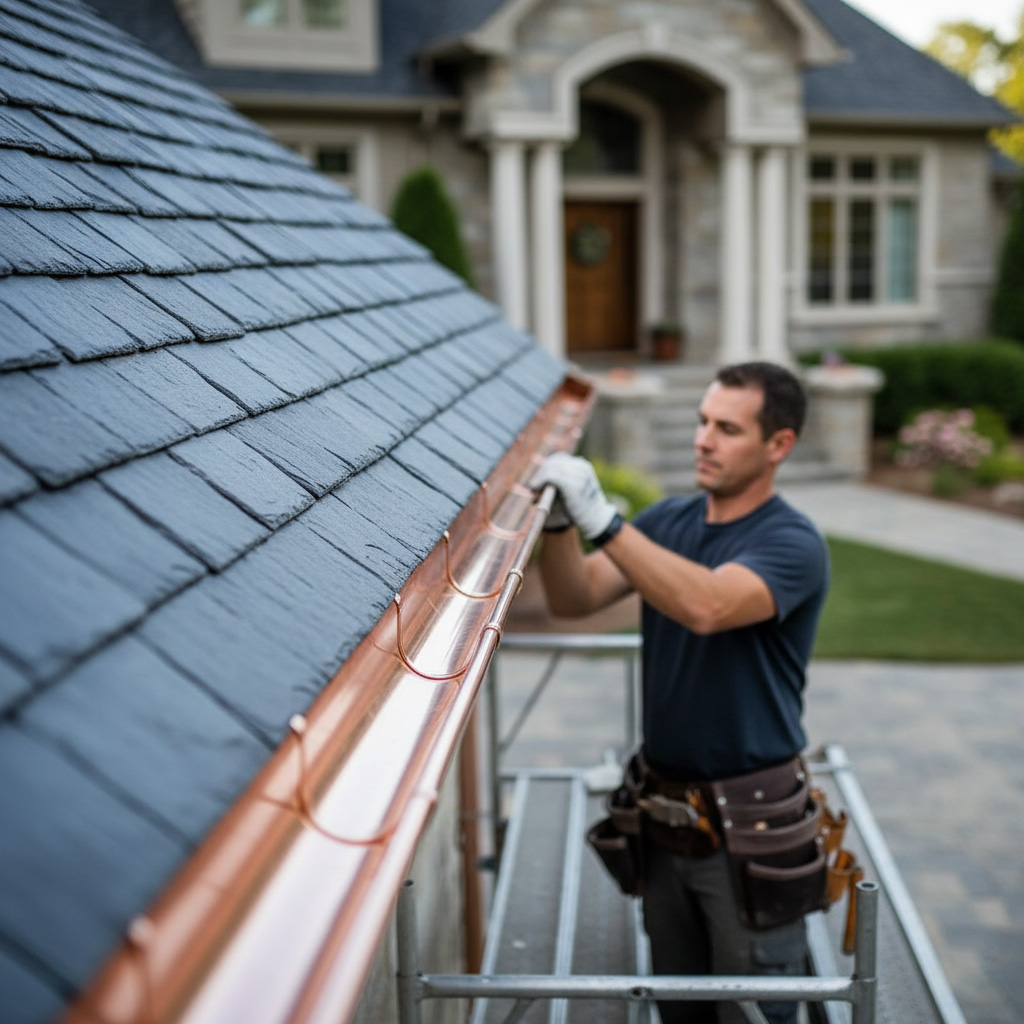
Every spring, DC's cherry blossoms paint the city pink. But those pretty petals turn into a nightmare for your gutters. They pile up fast, blocking drainage and forcing water to back up under your shingles.
Hit it right after peak bloom, around late April. Grab a garden hose with a high-pressure nozzle. Start at the downspout and work uphill to blast out the mess.
Make it foolproof with these quick steps:
- Position a ladder on firm ground. Safety first, always.
- Loosen debris with a gutter scoop or gloved hands. No need for fancy tools.
- Flush from the inside out. Watch water flow freely before calling it done.
- Check downspouts too. Snake them clear if clogs linger.
Do this twice a year minimum. Homeowners who skip it face overflowing gutters during summer storms. Yours stays dry and damage-free.
Hack #2: Spot and Zap Moss Before DC's Humid Summers Strike
DC's steamy summers turn roofs into moss magnets. That fuzzy green invader loves shady spots and holds moisture like a sponge, rotting shingles from the inside out. Catch it early, and you dodge thousands in replacement costs.
Spot the Sneaky Growth Fast
- Look for dark green or black streaks on north-facing slopes.
- Feel for soft, velvety patches that lift off easily.
- Check after spring rains; moss explodes then.
Grab binoculars for a roof scan from the ground. Miss this, and you're staring at granule loss and leaks by July.
Zap It Without Wrecking Your Roof
Skip harsh chemicals. Mix one part white vinegar to one part water in a spray bottle, hit the moss hard, and let rain rinse it away.
- Sprinkle baking soda on stubborn spots for extra kill power.
- Brush lightly with a stiff broom; no scraping needed.
- Repeat every two months through summer.
Homeowners swear this keeps moss gone for a full season. Your roof stays dry, strong, and ready for whatever humidity throws next.

Hack #3: Inspect Flashing on Chimneys and Vents Like a Pro
DC's wild weather swings beat up roof flashing hardest. That thin metal seal around your chimney or bathroom vent? It rusts, cracks, or pulls loose over time. Catch it early, and you dodge a nasty leak straight into your attic.
Grab a Ladder and Your Phone
Head up after a big rain. Snap close-up photos of every flashing joint. Look for lifted edges or missing sealant – water loves those weak spots.
- Curl or buckle? Reseal it now.
- Rust streaks? Scrape and paint with roof-safe primer.
- Gaps bigger than a pencil eraser? Call in reinforcements before wind rips it off.
One Georgetown client spotted his chimney flashing peeling last spring. Fixed it for under $200. Saved his entire roof from a $5K tear-off come fall.
Hack #4: Trim Overhanging Trees to Dodge Wind Damage
DC winds whip up fierce during spring storms and nor'easters. Overhanging branches act like battering rams, scraping shingles loose or cracking them outright. One gusty night last year, a Georgetown homeowner watched a low limb punch through his roof—repairs hit $4,500.
Spot the culprits early. Look for branches within 10 feet of your roofline, especially those rubbing during breezy days. Call a certified arborist if they're thick; DIY pruners work for lighter stuff.
Quick Trim Checklist
- Remove dead or dying limbs first—they snap easiest.
- Cut at a 45-degree angle, just outside the branch collar.
- Schedule before leaf-out in March to beat the summer storms.
Regular trims slash wind damage risk by 70%, per local roofing stats. Your roof stays intact, insurance claims drop, and those trees live longer too. Simple move, massive payoff.
Hack #5: Schedule Quick DIY Shingle Checks Year-Round
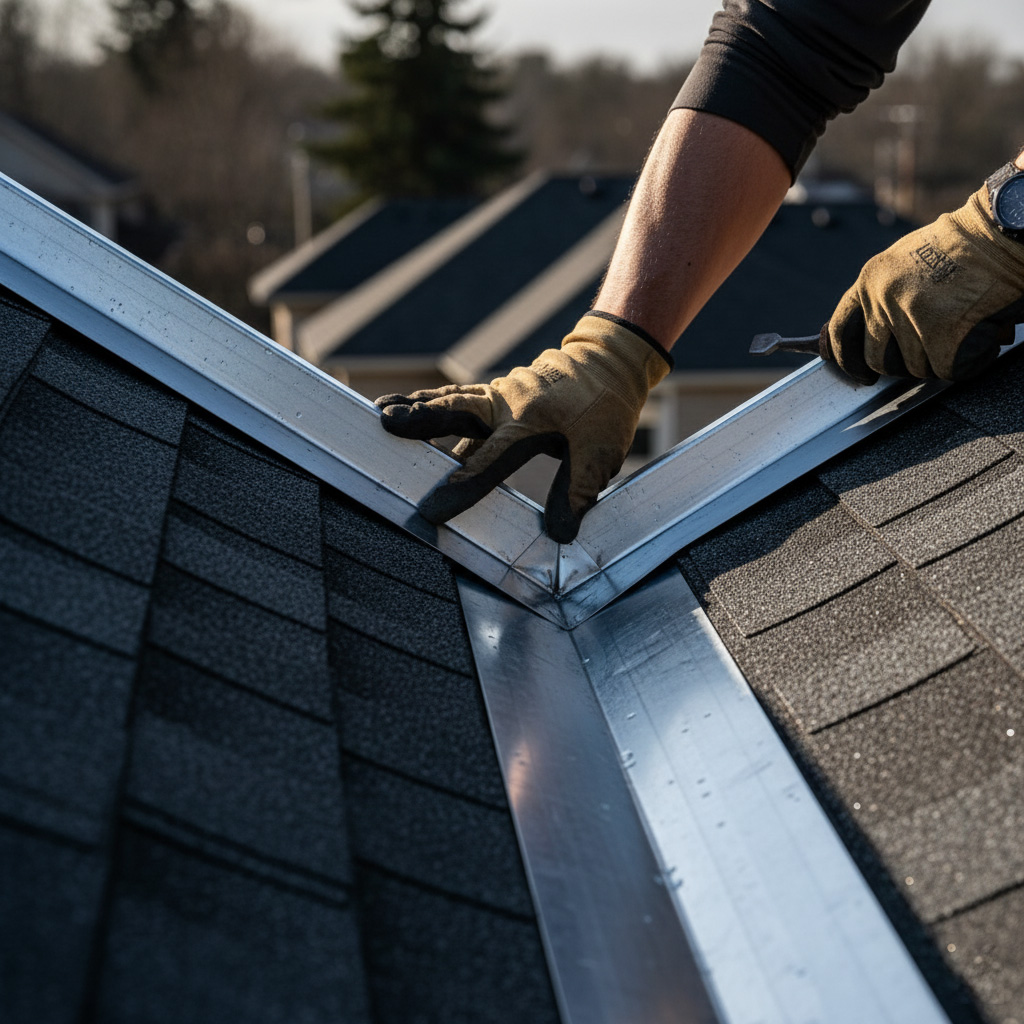
DC roofs take a beating from freeze-thaw cycles and summer scorchers. Skipping shingle checks lets tiny cracks turn into $5,000 leaks overnight. Set a calendar reminder every three months, plus after big storms, to eyeball your roof from the ground or ladder.
Spot Trouble in Minutes
- Missing granules: Look like bald patches? Asphalt shingles shedding means UV damage—time for replacement.
- Curling edges: Wind lifts them, inviting water inside.
- Cracks or holes: Poke gently; if they flex, call pros fast.
Grab binoculars for a safe ground view. Snap photos to track changes over time. This habit caught a Georgetown client's hidden wear before it punched through.
Bonus: Check attic for daylight through cracks. Feel for soft spots underfoot. Catch it early, and your roof lasts 10 years longer.
Case Study: Rescuing a Capitol Hill Roof from Imminent Failure
Meet Sarah, a Capitol Hill homeowner with a 20-year-old asphalt shingle roof. She spotted water creeping into her attic after a brutal spring storm. Ignoring it for months led to softened decking and a sagging section ready to cave.
That's when she called us. We walked her through our five hacks right there on-site. Quick flush of those petal-packed gutters. Moss zap with a simple vinegar mix. Pro-level flashing check revealed loose seals around her chimney.
From Disaster to Done: The Turnaround
- Trimmed overhanging branches that whipped in DC winds.
- DIY shingle scan caught three loose ones before they flew off.
- Total fix? Under $2,500, versus $15K for full replacement.
Sarah's roof now laughs at downpours. Her big lesson? Catch it early with these hacks. Yours next?
Final Thoughts
These hacks aren't just tips. They're your shield against DC's brutal weather cycles. Skip them, and you're rolling the dice on thousands in fixes.
Start small. Pick one hack this weekend. Watch how it pays off when the next storm rolls in.
- Flush those gutters now.
- Scan for moss tomorrow.
- Trim branches before wind season.
Need pro eyes on your setup? Dive deeper into our Roof Maintenance guides or hit us up for a free inspection. Your roof will thank you. Big time.
People Also Ask
How often should DC homeowners clean their gutters after Cherry Blossom season?
DC homeowners should flush gutters at least twice a year, with a thorough post-Cherry Blossom cleanup in spring to remove petal buildup and debris. This prevents water overflow that can damage your roof's foundation. Regular checks during fall leaf season are also essential for optimal roof health.
What’s the best way to remove moss from roofs in humid DC summers?
Spot moss early on north-facing slopes and apply a vinegar-water solution or commercial moss killer, followed by gentle scrubbing with a soft brush. Avoid pressure washing to prevent shingle damage. Reapply treatments annually to keep DC's humidity at bay.
How do you inspect roof flashing around chimneys and vents like a pro?
Use binoculars or a drone for a close-up view, checking for cracks, rust, or loose seals on chimney and vent flashing. Look for gaps where water could enter during DC's frequent rains. Seal minor issues with roofing caulk and call pros for major repairs.
Why trim overhanging trees to protect DC roofs from wind damage?
Overhanging branches rub against shingles during windy DC storms, causing abrasions and debris accumulation that lead to leaks. Trimming keeps branches at least 10 feet away, reducing fall risks and wind uplift damage. Schedule professional arborist services biannually for safety.
Can DC homeowners do quick DIY shingle checks year-round?
Yes, walk your roof quarterly with sturdy shoes, checking for cracked, curled, or missing shingles, especially after storms. Document issues with photos and note granule loss in gutters as a wear indicator. For anything beyond minor spot repairs, contact a local DC roofing expert promptly.

Washington Roofing provides roofing services throughout Washington, DC. With years of hands-on experience, the team manages installations, repairs, and maintenance for residential and commercial properties. Rooted in the local community, they address DC-specific weather and code requirements.
Need Roofing?
Fast roof repairs and replacements in Washington, DC and nearby areas deliver weather-tight protection and long-term durability in days. (20001, 20002, 20009, 20010, 20011)
Get Roof Quote