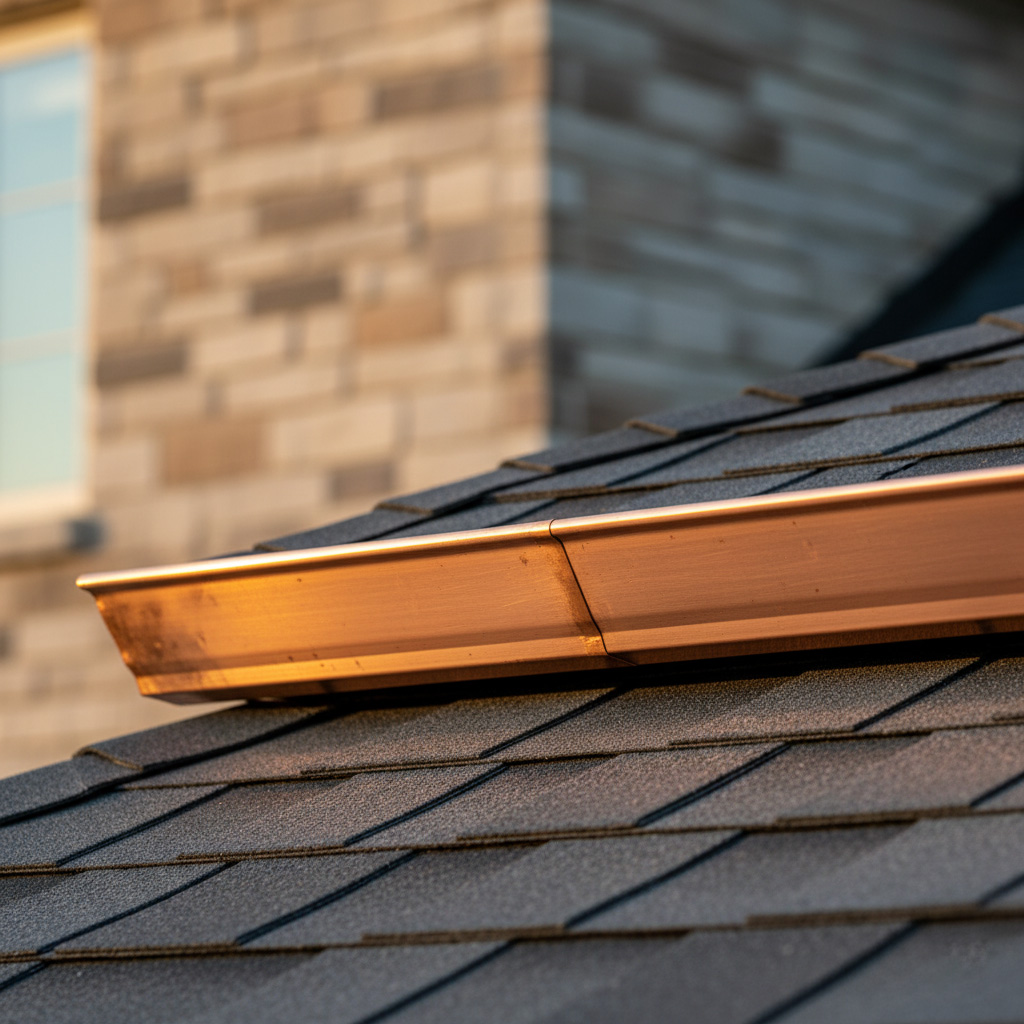


⚡ TL;DR: This article reveals pro secrets for roof inspections in Washington, DC, spotting unique hazards, sneaky leaks, seasonal checklists, and DIY tips to safeguard homes.
📋 What You’ll Learn
In this eye-opening guide to roof inspections in Washington, DC, you’ll uncover pro secrets on spotting hidden dangers, mastering checklists, seasonal strategies, DIY tools, and real rescues.
- Unmask DC's unique roof killers like brutal weather patterns and historic home hazards that pros detect first to safeguard your property from early failure.
- Expose 7 sneaky leak sources lurking in plain sight during inspections, empowering you to fix them before water damage spirals out of control.
- Master the pro step-by-step checklist for DC homeowners, walking through every critical area to assess roof health like a seasoned inspector.
- Conquer seasonal pitfalls by understanding tailored checks for spring storms, summer heat, fall leaves, and winter ice on DC roofs.
- DIY with pro tools and tricks plus a Georgetown rowhouse case study showing how we averted a hidden disaster through expert intervention.
📖 Reading time: 7 min
✍️ Author expertise: DC roofing contractor with 20 years of hands-on inspections in Washington homes.
Ever wake up to water stains spidering across your DC bedroom ceiling after a brutal summer storm? That's the nightmare hitting homeowners who skip smart roof checks, and it costs thousands in fixes you could've dodged.
Local pros spot the red flags instantly, but they rarely spill the real tricks unless you're paying top dollar for a full service.
Today, we're cracking open those guarded secrets for your roof inspection in DC, from sneaky leak sources to seasonal pitfalls that wreck havoc on our historic homes.
Read on to arm yourself with the intel that keeps your roof solid and your wallet intact.
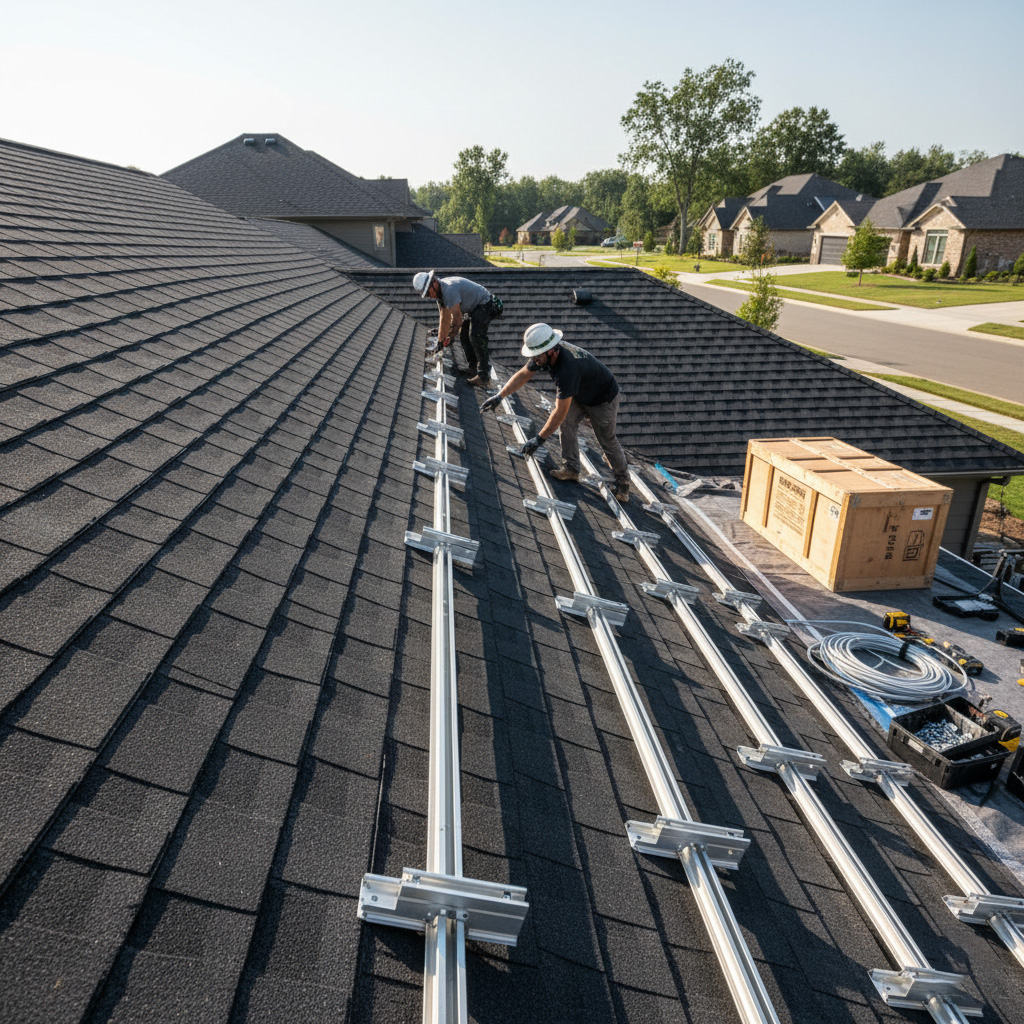
DC's Unique Roof Killers: Weather and Historic Home Hazards Pros Spot First
Washington, DC throws curveballs at roofs that most cities never dream of. Think scorching humid summers breeding moss and algae on shingles, turning them into slip-and-slide disasters. Then winter slams in with freeze-thaw cycles that crack slate like eggshells.
Weather's Dirty Dozen Hits
- Heavy spring downpours expose weak flashing around chimneys.
- Summer thunderstorms rip off loose granules, signaling shingle death.
- Fall leaves clog gutters, forcing water backup under your roof edge.
- Winter ice dams trap meltwater, rotting wood from the inside out.
Pros hit these first because they strike fast and silent. Skip 'em, and you're staring at thousands in emergency patches.
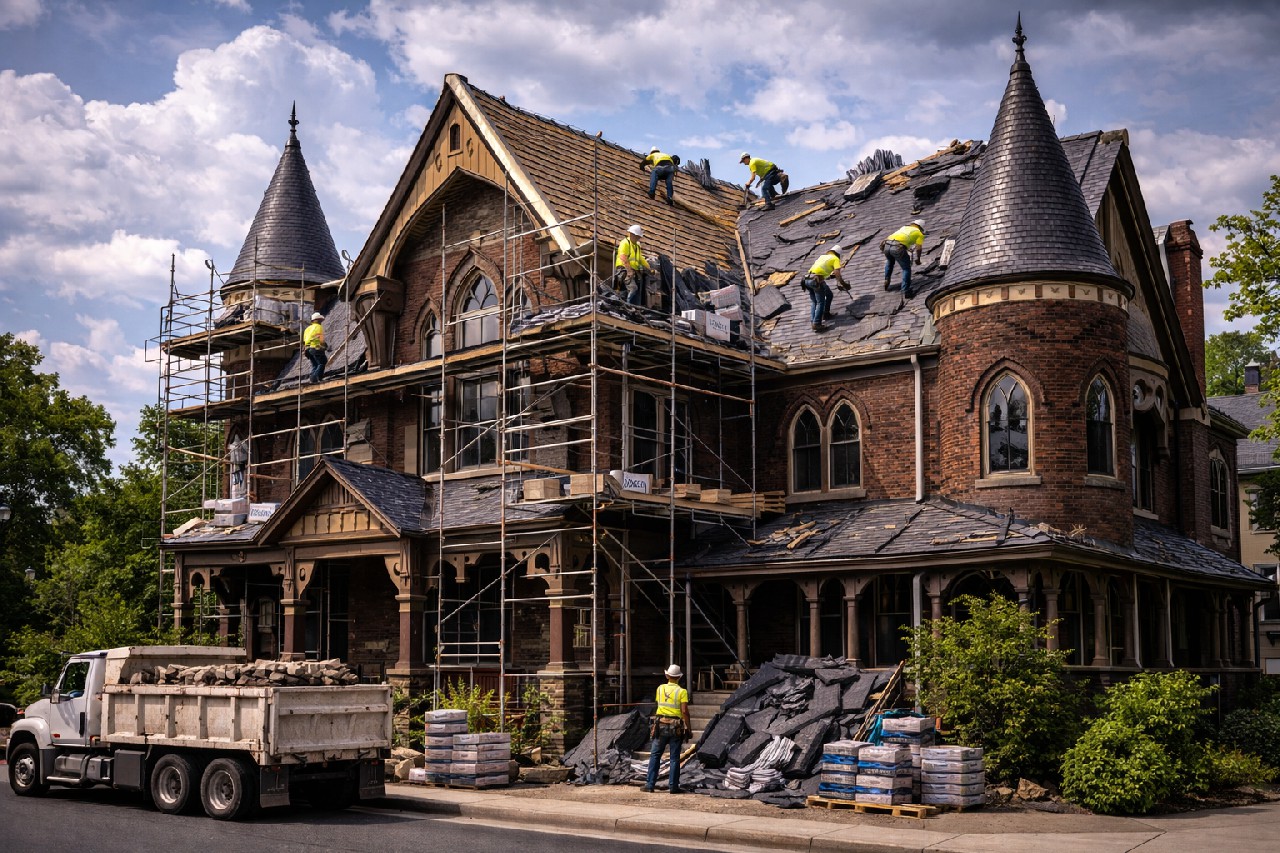
Now layer on DC's historic gems. Rowhouses in Georgetown or Capitol Hill pack 100-year-old slate or wood shakes that pros inspect with kid gloves. Steep pitches shed water fine, but age warps nails loose, inviting wind uplift.
Hidden rot in rafters from poor ventilation? That's the killer combo. Spot it early during your next roof inspection in DC, or watch charm turn to chaos.
7 Sneaky Leak Sources Hiding in Plain Sight During Inspections
Leaks don't announce themselves with flashing lights. They creep in through spots you overlook every day. Pros in DC know these culprits turn small oversights into soggy disasters.
Spot These Before They Soak You
- Chimney flashing cracks: Water sneaks behind loose metal seals, especially after our heavy spring rains. Check for rust or gaps where mortar meets brick.
- Valley weak points: Where two roof slopes meet, debris piles up fast. Decomposing leaves create a dam that forces water under shingles.
- Vent pipe boots: Those rubber seals around bathroom or dryer vents dry out and split in DC's humid summers. A tiny tear lets rain pour straight into your attic.
- Ridge cap shifts: Wind from Potomac storms loosens these top-row shingles. Lift one gently; if it wobbles, water's your next houseguest.
- Step flashing misses: Along walls or dormers, bent or absent metal strips invite runoff to invade. Historic homes hide these under peeling paint.
- Satellite dish mounts: Old holes from TV antennas never seal right. Probe around with a screwdriver for soft spots.
- Underlayment failures: Beneath shingles, this waterproof layer tears from age or poor install. No visible sign until stains bloom inside.
Grab a ladder and binoculars next dry day. Snap photos of suspects for your pro inspector. Catching one early saves you from the full tear-off nightmare.
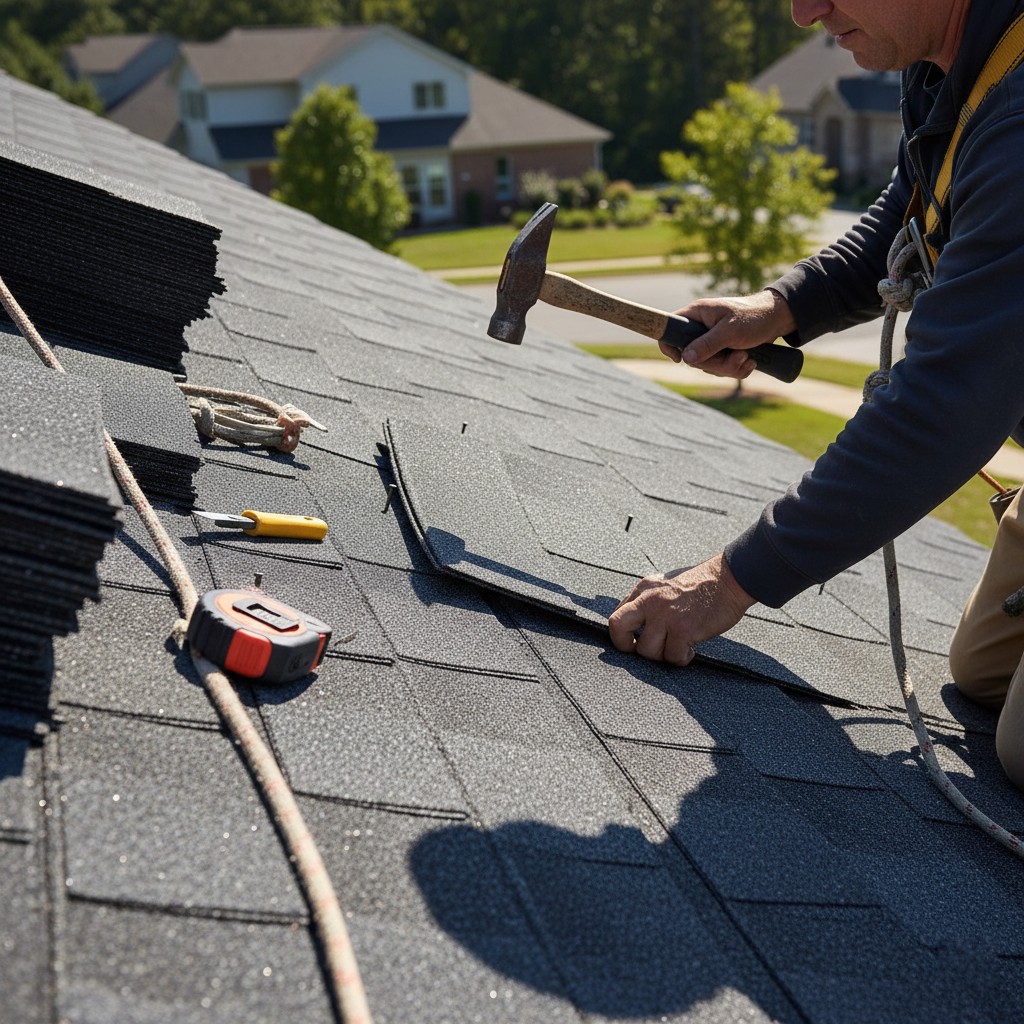
The Pro Checklist: Step-by-Step Roof Walkthrough for DC Homeowners
Grab a ladder, binoculars, and a flashlight. Start on solid ground before climbing. This DIY roof inspection in DC mirrors what pros do first thing.
Spot issues from afar to stay safe. DC's steep rowhouse roofs demand extra caution around chimneys and skylights.
Step 1: Ground-Level Scan
- Walk your property line. Look for curled shingles or bald patches catching the eye.
- Check gutters for granule buildup. That's your first leak clue in humid DC summers.
- Snap photos of anything off. Pros use these for before-and-after proof.
Step 2: Binocular Sweep
- Zoom in on flashing around vents and dormers. Rust here spells trouble for historic homes.
- Hunt missing granules or cracks. Wind from Potomac storms strips them fast.
- Eye the ridge line. Sagging means structural woes brewing underneath.
Step 3: Ladder Climb (If Safe)
Only go up on dry days. Test every shingle with your foot. Poke soft spots gently.
- Inspect valleys for debris. Leaves from DC's old oaks clog them quick.
- Feel seams for lifts. Pros lift and reseal these silent killers.
- Downspouts next. Blockages turn minor drips into floods.
Finish in the attic. Probe for daylight pinpricks. That's your pro-level sign to call in backup.
Seasonal Pitfalls – Why Spring, Summer, Fall, and Winter Demand Different Checks
DC's weather flips like a politician's promise. One season slams your roof with threats the next ignores. Pros time inspections to catch these killers before they punch through.
Spring: Pollen Bombs and Sudden Downpours
April showers mix with pollen clouds to breed moss on shingles fast. Check valleys and flashing now, or watch rot set in.
- Probe for soft spots under moss buildup.
- Clear clogged gutters before roots take hold.
- Pro tip: Hose down north-facing slopes weekly.
Summer: Heat Waves and Thunderstorm Hammers
Scorching sun buckles asphalt shingles. Then hail from pop-up storms cracks them wide open.
Grab binoculars for granule loss on ridges. Feel for hot spots signaling poor ventilation.
Fall: Leaf Assault and Wind Whips
Piles of oak leaves dam gutters overnight. Gales rip loose tabs off aging roofs.
- Inspect soffits for squirrel chew marks.
- Test chimney seals against whipping rains.
- Secure all loose vents before the first freeze.
Winter: Ice Dams and Freeze-Thaw Cracks
Snow melts, refreezes, and backs up under shingles. Cracks widen with every thaw cycle.
Spot icicles longer than 12 inches? Call it a red flag. Use a pole camera for attic ice checks without risking a slip.
Must-Have Tools and Tricks to DIY Like a Local Expert
Grab these basics before climbing up. A sturdy extension ladder rated for your weight. Binoculars to scout from the ground, skipping risky roof walks on steep DC pitches.
Core Kit That Pays Off Fast
- Flashlight or headlamp: Lights up attic shadows where leaks hide first.
- Moisture meter: Cheap ones from hardware stores ping wet spots pros charge $200 to find.
- Digital camera or phone: Snap pics of cracks, missing granules. Evidence beats memory.
- Stud finder with moisture mode: Scans ceilings inside for trouble brewing.
Trick one: Start low. Walk your yard, eyes up. Spot sagging ridges or curled edges before they turn into storms' playthings.
Trick two: Gutters tell tales. Poke around clogged ones; backed-up water rots fascia boards quick in our humid summers.
Bonus move: Tap shingles gently. Hollow thuds scream loose nails. Tight raps mean solid defense against next nor'easter.
Case Study: How We Saved a Georgetown Rowhouse from Hidden Roof Disaster
Picture this: A busy Georgetown couple spots tiny water marks in their attic after a rainy weekend. They shrug it off as old-house quirks in their 1890s rowhouse. But one call to us changed everything.
Our crew climbed up and peeled back the surface. What looked fine from the street hid a ticking bomb. Here's what we uncovered:
- Cracked slate tiles from freeze-thaw cycles letting water seep under.
- Rotten decking around the chimney, courtesy of poor flashing from a past "repair."
- Moss invasion blocking drains, turning minor drips into a full flood risk.
We patched the flashings, replaced damaged slates, and cleared the debris fast. Total bill? Under $4,000, versus the $25,000 gut job they'd face if ignored. That rowhouse stands strong today, all because they caught the whispers before they roared.
Final Thoughts
Your DC roof doesn't fix itself. Spot those leaks early, dodge the seasonal traps, and grab the pro checklist we laid out.
But here's the kicker: if DIY feels shaky, call in the locals who know Georgetown grit from Capitol Hill slate. We've got your back before the next downpour hits.
Jump into our full Roof Inspection guide for more insider moves. Act now. Save the headaches later.
- Schedule that check today.
- Protect your investment.
- Rest easy under solid shingles.
People Also Ask
How often should I get my roof inspected in Washington DC?
In DC's humid subtropical climate with heavy rains and temperature swings, pros recommend annual inspections, plus after major storms. Historic homes may need bi-annual checks due to aging materials. Early detection prevents costly repairs from leaks or wind damage.
What are common signs of roof damage specific to DC homes?
Look for granule loss on asphalt shingles from summer heat, moss growth in shaded areas from humidity, and ice dam remnants from winter freezes. Cracked flashing around chimneys is common in rowhouses due to settling foundations. Missing or curling shingles signal urgent issues from wind gusts.
Can homeowners safely DIY a roof inspection in DC?
Basic visual checks from the ground or attic are safe, but climbing steep pitches on historic roofs risks falls—leave that to pros. Use binoculars for bird's-eye views and check vents for blockages. For thorough assessments, hire certified inspectors familiar with DC's building codes.
How much does a professional roof inspection cost in Washington DC?
Expect $300-$600 for a standard inspection, varying by roof size and accessibility in areas like Georgetown. Free estimates are common from local roofers during consultations. It's a small investment compared to thousands in water damage repairs.
Why do DC's historic homes require specialized roof inspections?
Older materials like slate or wood shakes degrade uniquely from Potomac humidity and urban pollution. Pros check for hidden rot under copper gutters and assess weight-bearing issues on preserved structures. Compliance with historic district regulations demands expert evaluations to avoid fines.

Washington Roofing provides expert roofing services throughout Washington, DC. With years of hands-on experience, the team specializes in installations, repairs, and maintenance suited to local weather challenges. Deeply rooted in the DC community, Washington Roofing supports homeowners and businesses with dependable craftsmanship.
Need Roofing?
Fast roof repairs and replacements in Washington, DC and nearby areas deliver weather-tight protection and long-term durability in days. (20001, 20002, 20009, 20010, 20011)
Get Roof Quote